Saturday, April 1, 2023

April Slides in with National Poetry Month and Earth Day

April has arrived.

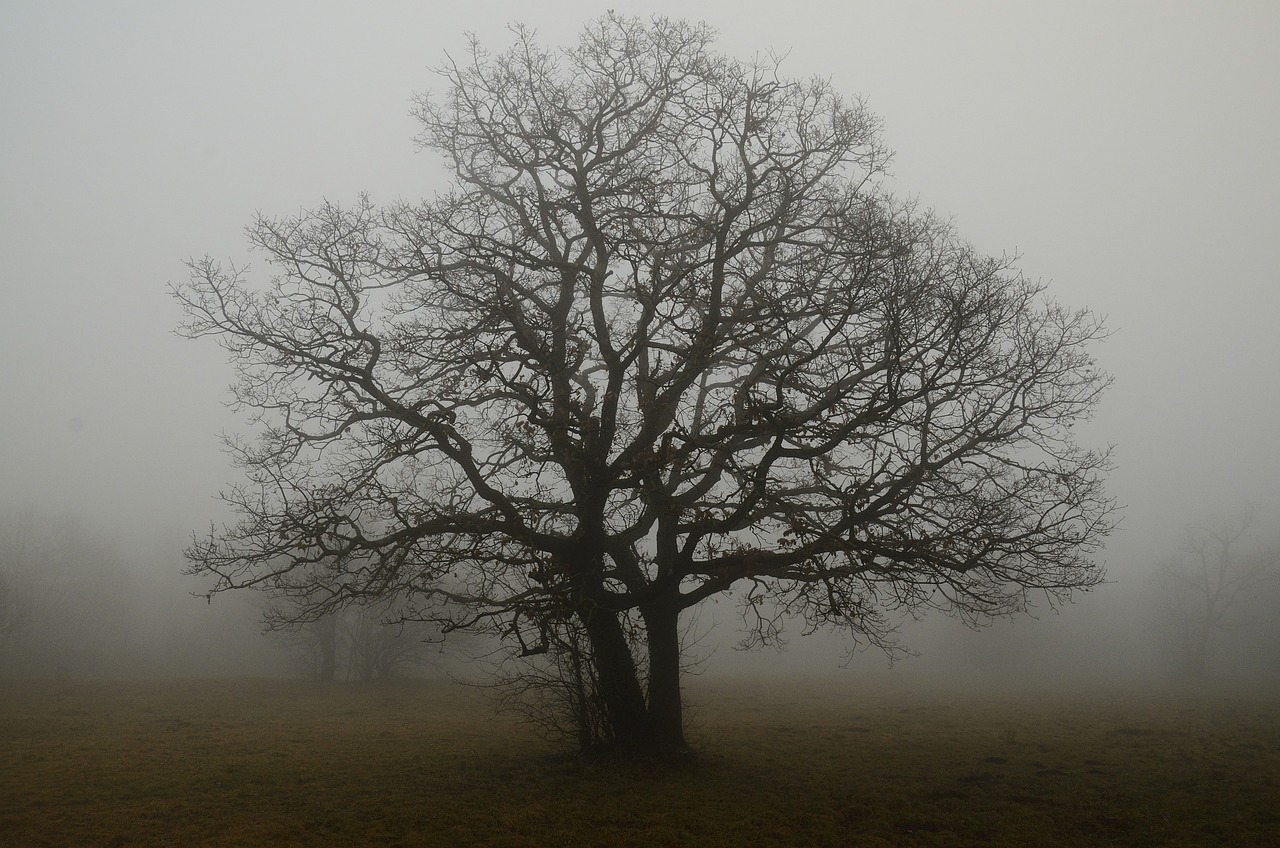
Photo JosepMonter, Pixabay
For many people April brings the excitement of an awakening in our land as we watch the dull brown of sleeping vegetation in the northern regions morph into the many vibrant hues of green. What better way to enjoy the month than to smell the earthy scent of mud, feel the warm sun on your back, and rekindle your hope that spring has arrived with its many showers and colorful flowers?                                  

April is also National Poetry Month and, on April 22nd, we celebrate Earth Day in the United States along with Canada and other countries around the world. This year, the theme for Earth Day is Invest In Our Planet and continues to focus on the effects of climate change.

One of my favorite poems is It Must Be Spring, by May Fenn. It not only ushers in joys of the season, but also highlights the wonders of our earth, giving a nod to the importance of Earth Day.

Hush, can you hear it?
The rustling in the grass,
Bringing you the welcome news that
Winter’s day is past.
Soft, can you feel it?
The warm caressing breeze,
Telling you the sticky buds
Are bursting on the trees.
Look, can you see them?
The primrose in the lane.
Now you must believe it —
Spring is here again.

Photo by Beeki, Pixabay

So as we watch the red buds burst and bloom and see the first yellow dandelions emerge in the grass…or listen to the returning birds in the bushes and the honking geese in the skies overhead… let’s take time to enjoy the jaunty month bringing renewal to our earth and optimism to our lives. 


VISIT MY AMAZON AUTHOR PAGE FOR ALL MY BOOKS 

Wednesday, March 1, 2023

MARCH - Named for the Roman God of War

Paddy caps (hats) off to the Irish! March is a windy, sometimes chilly, but joyous month when everyone becomes Irish on St. Patrick’s Day. In the northern states, it’s also the month which can come roaring in like a lion with cold blustery weather and go out with warmth and the softness of a lamb or—vice versa.

Everyone looks forward to March 20th, when spring is supposed to march in and put an end to winter weather. Daffodils, the flower of March, rear their sleepy heads and poke through the cold ground, bringing the color of sunshine back to the drab flowerbeds.

Rain and mud are part of spring. If we’re fortunate, we might well see the return of early migrating birds. Birds that nest in the Northern Hemisphere tend to migrate in spring to take advantage of burgeoning insect populations, budding plants, and an abundance of nesting locations. I love to step outside, search the sky, and listen when I hear the first flocks of geese winging their way toward Canada.

For me, it’s also a bittersweet month. My mother passed away in the month of March. Ironically, her birthday was on St. Patrick’s Day. For someone of Polish ancestry, she was always a good sport and laughed and loved the cakes, iced in green with shamrocks, we made to celebrate her special day.

Most of all, for those of us who like to garden, who like to watch things grow, it’s an exciting month as we start planning the flowers, vegetables, herbs, and other greenery we’d like to plant for the coming spring, summer, and fall ahead. Last year, we had a bucket garden filled with a variety of spices. This year, my husband has found a “vertical squash” plant we want to grow. But that’s a story for another day.

Hats off to all… and to the month of March named for the Roman god of war, Mars.  May it be a prosperous and pleasing one for all.

VISIT MY AMAZON AUTHOR PAGE FOR ALL MY BOOKS 


Sunday, February 5, 2023

A PRETTY PEPPER - THE ALOHA

Compliments of Blue Apron
The other day, my husband and I stopped at Perine’s Produce, a grocery and local fresh vegetable and fruit market in New Smyrna Beach, Florida, where I discovered a striking, new, red and yellow striped pepper.

It’s a Holland bell pepper called the Aloha or Enjoya. Discovered in the Netherlands, Aloha peppers were cultivated to show off their stunning stripes. They taste very similar to bell peppers and have a sweet, mild flavor.

They can be eaten raw or grilled or cooked, making them perfect for salads and hot dishes. They keep their pretty variegated stripes even after they are heated. My Aloha pepper cost me $0.99 for one. 

I’m looking forward to trying them in my stuffed pepper soup recipe below. According to the recipe, you can use red, yellow, or green peppers. I’m wondering what striped Aloha or Enjoya peppers will taste like in the recipe. 

 Stuffed Pepper Soup

1lb lean ground beef
1 large onion, diced
1 cup uncooked or 2 cups cooked rice, plain or wild

1 can Hunts flavored diced tomatoes
1 can tomato sauce (14.5oz can)
1 tsp dried oregano
1 tsp basil
½ tsp salt
¼ tsp pepper
1 box chicken stock (32oz)
2 cups water
2 tbsp powdered beef stock
3 bell peppers – green, red and yellow can be used
Cheese for topping (optional)
Fresh cracked black pepper for garnish (optional)


In a large soup pot coated with cooking spray, over medium-high heat, brown the grown beef with the onions and rice. Browning rice gives it a nutty flavor, but do not let it burn.

Dice peppers into small ½" pieces, set side.
Add in the diced tomatoes, tomato sauce, oregano, basil, salt, pepper, chicken stock, water, and powdered beef stock, then allow it to come to a boil.

Reduce heat, cover and allow it to cook 20 minutes then add the peppers and allow it to cook another 20-30 minutes depending upon the type of rice.


Serve with cheese on top (optional)

Serves 6 - [398 calories]


VISIT MY AMAZON AUTHOR PAGE FOR ALL MY BOOKS 


Wednesday, January 4, 2023

NATIONAL CHOCOLATE CAKE DAY - January 27th

It’s January 2023, and everyone is setting goals or making resolutions for the new year. 

I have decided to make just one: to try to eat less sweets. I discovered—well, not just recently discovered—I’m addicted to sweets and especially chocolate. I love all kinds of chocolate: milk, dark, white, semi-sweet, bitter sweet. And I’m not fussy whether they are in eatable or drinkable forms. I like candy, cakes, cookies, chocolate covered pretzels, hot chocolate and chocolate syrups. 

Chocolate come from cacao trees. These trees are relatively short, only growing to be about 15-25 feet tall. It takes about 5 years for a cacao tree to grow mature and start producing cacao pods. The beans grow in football-shaped pods on the trunk of the tree and from larger branches.

Chocolate has been part of American society for about 252 years. In America, chocolate was consumed primarily as a beverage until the 1830s or 40s. Chocolate cakes, as we think of them today, did not exist.

Imagine my surprise when I found out January 27th is National Chocolate Cake Day in the United States, a nonofficial holiday to commemorate this delicious treat. 

A popular Philadelphia cookbook author, Eliza Leslie, published the earliest chocolate cake recipe in 1847 in The Lady’s Receipt Book. The first boxed cake mix was created by a company called O. Duff and Sons in the late 1920s. Betty Crocker released their first dry cake mixes in 1947.

Since then, cake has its own category and is featured in recipes around the world. Who hasn’t heard of German chocolate or Black Forest cake? Chocolate fudge or molten lave cake? Texas sheet cake or chocolate truffle cake? There are even cakelike brownie recipes. 

Cocoa contains both healthy and unhealthy forms of dietary fat, and contains minerals important for human health, including potassium, phosphorus, copper, iron, zinc and magnesium. Some studies have found that regular chocolate consumption is associated with lower blood pressure, decreased stress levels, and increased alertness.   

And thus, because chocolate can be healthy was exactly why I modified my resolution not to give up all sweets, just to eat less of them. Hey, who am I kidding? A red box of deluxe chocolates sitting on my counter (a Christmas present from my son) is calling out to me this very moment. Maybe just a small piece wouldn’t hurt, would it?

Happy New Year! 

                             VISIT MY AMAZON AUTHOR PAGE FOR ALL MY BOOKS 


Wednesday, November 30, 2022

THE CHRISTMAS WREATH

It's the holly jolly holiday season. And everywhere, from up on the roof tops to down on the lawns, inside and outside, people are scurrying to decorate their homes. This is the time of the  year when I enjoy looking at the many different wreaths hanging on the doors of homes and businesses. They are colorful, artistic and varied, and are often constructed with evergreens, grape vines, or holly which are then adorned with pine cones, ribbons, bells, shiny glass balls, berries, and bows. But where did the tradition of hanging a wreath on a door for Christmas originate? Although there are many theories, it’s believed the wreath came with the Irish when they immigrated to the United States.

The wreath itself can be traced back to ancient Greece and Rome when people employed decorative wreaths as a sign of victory and celebration. Bay laurel wreaths crowned victorious athletes at the original Olympic Games. They are also used in ceremonial events in many other cultures around the world.

In English-speaking countries, wreaths are typically used as household ornaments, mainly as an Advent and Christmas decoration. They are also utilized in funerals and the laying of wreaths in memory of those who have died. When harvest season arrives, they are hung to celebrate the start of fall and the hopes for abundant crops.

Wreaths have centuries of  history and symbolism associated with them. During the Christmas season, many of these ornamental circles are made from branches from evergreen trees and shrubs which symbolize the strength of life overcoming the forces of winter, since evergreens can last throughout the harshest elements.

The shape of a circle has no beginning and no ending. It is thought that this may represent the eternal nature of a god's love, or the circle of life.

Do you hang a wreath on your door? If not, what do you do to decorate for the holiday season?

JUNE ~ The Pianist

(Book 1 of the Musical Christmas Series)
NOW ON SALE $0.99


Monday, October 31, 2022

NOVEMBER - Transitioning to Winter

It’s Novemberour transition into winter. Bare tree limbs shiver in stiff winds. Wayward leaves scurry across the chilly ground, and clouds gather in gray skies. Inside, people search closets and drawers for wool and flannel clothing, and warm shoes and boots.

It’s the time when everyone dashes outside to get their homes battened down and ready for the first snows to fly. The bushes and trees have been trimmed, and perennial plants are leveled to the ground for a spring rebirth. Leaves from trees, now drab brown, wet, or maybe crispy and dry, have been raked or swept up in lawn mowers. In our small development here in Central Pennsylvania, when one mower roared to life, another followed shortly, and the race was on to see which house finished first.

November brings back many memories from childhood in Northeastern Pennsylvania. I remember school days when we watched out the windows in our classrooms to look for the first snowflakes. For farm kids, snow meant outside fun as we rode sleds, shovels or saucers down a slippery slope. There were outside chores, too. Clearing snow from the front porch, sidewalk, back steps and entrance were unspoken activities after every storm. Almost daily, we hauled stacks of wood from outside into our cellar to dry and feed our hungry, wood-fired furnace.                                     

I loved our cellar furnace. The light sweet smoky smell of wood still reminds me of a toasty warmed-by- air ducts ending at metal floor registers above. In high school and before bedtime, I would find a register, grab a blanket and wrap it tent-like around me to trap the heat while I did my homework.

And I’ll never forget the tasty winter foods of November. Falling temperatures brought warmer hearty dishes to our table—roasts, ham, meatloaf, stuffed cabbage, and stews, to name a few. Delicious scents from homemade soups like chicken noodle, beet, creamy potato, or vegetable beef wafted through the rooms. Hot chocolate, cider, tea, and coffee made winter meals even more savory and inviting. Thanksgiving was a feast. If we didn’t have a turkey, we enjoyed a chicken or roast. Mother froze or canned every imaginable vegetable, so cranberries were our only purchased item for the holidays.

As the eleventh month of the year, November can rightfully boast it’s the transition from fall to winter. It also announces we are approaching the end of the year. For children who love and wait for winter, it's so much more as they ask the curious and often blissful question swirling in their heads and hearts—will it snow today?  

JUNE ~ The Pianist

(Book 1 of the Musical Christmas Series)
NOW ON SALE $0.99

Saturday, October 1, 2022

OCTOBER'S PARTY - by Poet George Cooper

American poet George Cooper (May 14, 1840– September 26, 1927) was remembered chiefly for his song lyrics, many set to music by Stephen Foster. He translated the lyrics of German, Russian, Italian, Spanish, and French musical works into English to become songs. He is also best known for one of my favorite autumn poems, “October’s Party.” Many school children have heard or learned to recite the lyrics.

OCTOBER’S PARTY                          

October gave a party;                                             
The leaves by hundreds came—
The Chestnuts, Oaks, and Maples,
And leaves of every name.
The Sunshine spread a carpet,
And everything was grand,
Miss Weather led the dancing,
Professor Wind the band.

The Chestnuts came in yellow,
The Oaks in crimson dressed;
The lovely Misses Maple
In scarlet looked their best;
All balanced to their partners,
And gaily fluttered by;
The sight was like a rainbow
New fallen from the sky.

Then, in the rustic hollow,
At hide-and-seek they played,
The party closed at sundown,
And everybody stayed.
Professor Wind played louder;
They flew along the ground;
And then the party ended
In jolly "hands around." 

JUNE ~ The Pianist
(Book 1 of the Musical Christmas Series)
NOW ON SALE $0.99